

Micro-cracks
Silent early enamel damage
Iron deficiency
Possible cause of ice cravings
Top 1% Diamond+
Invisalign Provider in Calgary
Key takeaways
- Chewing ice creates micro-cracks in enamel that grow silently into chips and fractures.
- The habit stresses fillings, crowns, and braces, and can trigger lasting tooth sensitivity.
- A strong craving to chew ice may signal iron-deficiency anemia and is worth discussing with your physician.
- Children’s developing teeth are especially vulnerable, so breaking the habit early matters.
- Skyview Ranch Dental and Dr. Himani Gupta can assess, repair, and protect ice-damaged teeth in Calgary.
Yes, Chewing Ice Quietly Harms Your Teeth
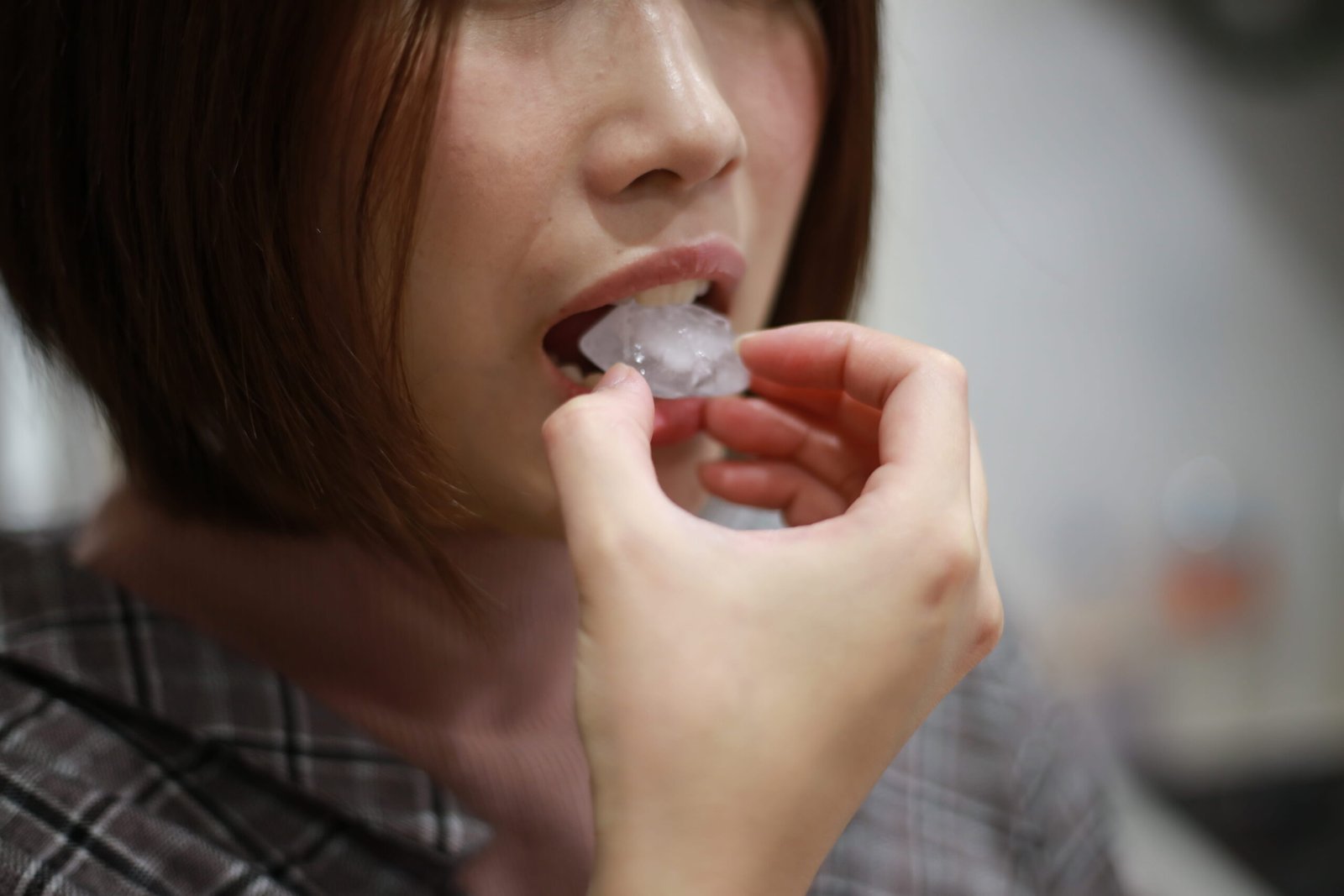
Yes, chewing ice quietly harms your teeth. Ice is hard and very cold, and that combination slowly wears down your enamel, the protective outer layer of each tooth. The damage rarely happens in one dramatic moment. Instead, it builds crunch by crunch until a chip, crack, or sudden ache appears seemingly out of nowhere.
What actually happens to enamel and teeth when you crunch ice
According to the Canadian Dental Association, ice is one of the hard objects that can crack your teeth, right alongside popcorn kernels and hard candy, and the association advises against chewing on any of them.
Why the damage builds up slowly and often goes unnoticed
The reason this habit is so sneaky is that early cracks are invisible and painless. You feel nothing while the small fault lines quietly deepen. By the time you notice sensitivity or a rough edge, the tooth may already need repair. That slow, silent progression is exactly why so many people are surprised when a routine visit reveals ice-related wear.
How Chewing Ice Damages Your Teeth
Chewing ice damages teeth in four main ways: it creates enamel micro-cracks, it causes visible chips and fractures, it triggers sensitivity, and it strains existing dental work. Each of these can appear on its own or stack together over months and years.
Enamel micro-cracks and fractures
The first stage is almost always tiny cracks in the enamel. These lines are usually too small to see, but they weaken the tooth from within. Over time, they can spread and eventually reach deeper layers where the nerve lives.
Cracked, chipped, or broken teeth and fillings
Once enamel is compromised, a single hard crunch can chip a corner or crack a tooth. Teeth with older fillings are even more vulnerable because the border between filling and tooth is a natural weak point. A cracked tooth from chewing ice sometimes needs a filling, a crown, or in serious cases, root canal treatment.
Tooth sensitivity from temperature extremes
Ice against warm teeth creates repeated temperature shock. This can leave you with lingering sensitivity to hot, cold, or sweet foods. Once a crack exposes the softer layer beneath enamel, that sensitivity can become a daily nuisance.
Strain on existing dental work, crowns, and braces
Crowns, veneers, bridges, and braces are all at risk. Ice can loosen a crown, chip a veneer, or bend a bracket or wire. If you wear braces, chewing ice is one of the fastest ways to cause an emergency visit.
Why Ice Is Tougher on Teeth Than You Think
Ice is harder on teeth than most snacks because hardness and cold work against your enamel at the same time. Your teeth are built to chew food, not to crush something frozen solid.
Hardness and cold temperature working together
Hard cubes force your teeth to absorb heavy pressure, while the extreme cold makes enamel slightly more brittle in that moment. Together they create the perfect conditions for cracks. Tufts University points out that teeth and cold, hard ice are simply a poor match and that repeated crunching invites chips and fractures.
The difference between soft and hard ice
Soft or shaved ice is gentler than solid cubes because it crushes with far less force. However, gentler does not mean risk-free. Any ice is still cold and can still stress a tooth that already has a crack, a large filling, or thin enamel. If you must have ice, the softer kind is the lesser evil, but letting it melt is always the safest choice.
Use these
- Let ice melt in your mouth instead of biting it
- Choose soft or shaved ice over hard cubes when possible
- Sip cold drinks slowly through the day
- Chew sugar-free gum when you crave the crunch
Avoid these
- Crunching hard ice cubes from your drink
- Chewing ice with existing fillings or crowns
- Letting children bite ice, especially with braces
- Ignoring new sensitivity or rough edges
Is There an Underlying Health Reason You Crave Ice?
Sometimes a strong, constant urge to chew ice points to a health issue rather than a simple habit. Persistent ice cravings deserve attention, not just a shrug.
Ice cravings and iron-deficiency anemia
A relentless craving to chew ice is called pagophagia, and it is often linked to iron-deficiency anemia. When the body is low on iron, some people feel an unexplained pull toward crunching ice. If you notice you cannot get through the day without it, that pattern is worth taking seriously.
When to talk to your physician or dentist
Speak with your physician if your ice craving is frequent, intense, or paired with fatigue, pale skin, or feeling short of breath. A simple blood test can check your iron levels. Meanwhile, the team at Skyview Ranch Dental can check whether the habit has already harmed your teeth so both the cause and the damage are addressed.
Warning Signs Your Ice Habit Is Already Causing Damage
The clearest warning signs are new sensitivity, pain when biting down, and a rough or jagged edge you can feel with your tongue. Any of these means it is time for a closer look.
Sudden sensitivity, pain when biting, or a rough edge
- Sharp twinges when you eat or drink something cold
- A quick jolt of pain when you bite in a certain spot
- A rough, chipped, or uneven edge on a tooth
- A tooth that suddenly feels different from the others
When to book a dental exam in Calgary
If any of these signs appear, book a dental exam sooner rather than later. Small cracks are far easier and cheaper to treat than a fully broken tooth. You can reach Skyview Ranch Dental at (403) 266-1212 to arrange a visit with Dr. Himani Gupta and have the tooth assessed before it worsens.
Ice Chewing and Children’s Teeth
Ice chewing is especially risky for children because their teeth are still developing and their dental work is delicate. What feels like harmless fun can lead to chips, cracks, or damaged braces.
Why developing teeth and braces are especially vulnerable
Young enamel and newly settled fillings are more fragile than fully mature adult teeth. Braces add another layer of risk, since ice can bend wires and pop off brackets, delaying treatment and adding extra visits. Our Pediatric Dentistry care focuses on protecting these growing smiles.
Helping kids break the habit early
Name the habit
Gently explain that biting ice can crack teeth, using simple words a child understands.
Offer a swap
Provide a cold drink, chilled fruit, or sugar-free gum to satisfy the craving safely.
Praise progress
Encourage and reward your child each time they choose not to crunch ice.
How to Break the Ice-Chewing Habit
You can break the ice-chewing habit by replacing the crunch with safer options and changing how you enjoy cold drinks. A few small swaps go a long way.
Practical swaps and habit-replacement tips
- Chew sugar-free gum when the urge to crunch appears
- Snack on crunchy foods like carrots or apples instead
- Keep your hands and mouth busy during downtime
- Let ice melt fully before finishing your drink
Safer ways to enjoy cold drinks
To enjoy cold drinks without the risk, use a straw, sip slowly, and skip the ice at the bottom of the glass. If you love the sensation of cold, chilled water or a cold beverage delivers the same refreshment without asking your teeth to crush anything solid.
How Calgary Dentist Dr. Himani Gupta Can Help
Dr. Himani Gupta can help by assessing ice-related damage, repairing cracked or chipped teeth, and protecting your smile going forward. Care at Skyview Ranch Dental is designed to be relaxing and thorough.
Assessing and repairing ice-related tooth damage
During an exam, Dr. Gupta looks for micro-cracks, chips, worn fillings, and sensitivity so nothing is missed. Depending on what is found, treatment may include a filling, a crown, or gentle monitoring of a small crack. Catching problems early keeps repairs simple and comfortable.
Straightening and protecting your smile
Crooked or crowded teeth can take uneven pressure, which makes them more prone to damage from habits like ice chewing. As a Top 1% Diamond+ Invisalign Provider in Calgary, Dr. Himani Gupta can straighten teeth with clear aligners so your bite is more balanced and your enamel is better protected. Skyview Ranch Dental combines this straightening care with everyday dentistry, so your smile stays both healthy and strong.
Canadian Dental Care Plan
At Skyview Ranch Dental Clinic, affordability and accessibility are priorities. The clinic proudly supports the Canadian Dental Care Plan (CDCP). This federal initiative makes dental care more accessible to Canadians without private insurance.
What Is the CDCP?
The CDCP is a government-funded program covering essential preventive and restorative dental services for eligible individuals. It helps reduce financial barriers to necessary dental care.
If you have delayed treatment due to cost concerns, this program may provide meaningful support.
Who Is Eligible?
You may qualify if:
- You do not have private dental insurance
- Your adjusted family net income is under $90,000
- You are a Canadian resident
- You have filed your previous year’s tax return
Eligibility is subject to government criteria. Contact the clinic for confirmation.
Services Covered May Include:
- Dental exams and cleanings
- X-rays
- Fillings
- Root canal treatment
- Tooth extractions
- Complete and partial dentures
- Fluoride treatments and scaling
Coverage varies based on individual eligibility. The clinic team will help verify benefits and explain any co-payment details.
Using Your CDCP Benefits at the Clinic
If you are eligible or enrolled:
- Call and mention your CDCP status when booking.
- Bring eligibility documentation to your appointment.
- The team will verify your coverage.
- Receive care aligned with your approved benefits.
For more details or to book your appointment, visit the Contact Us page.
Convenient Location in Calgary
Skyview Ranch Dental Clinic is easily accessible for families across Calgary.
Use this Google Maps link to find the clinic location, or follow these Driving Directions to plan your visit.
New patients can save time by completing the Patient Form online before their appointment.
Interested in special offers? Explore current Promotions.
If you have had a positive experience, consider sharing feedback through this Share Your Reviews link.
Meet Dr. Himani Gupta
Since arriving in Canada in 2007, Dr. Himani Gupta has built her career on a simple belief: exceptional dentistry should feel personal, not clinical. A graduate of Dalhousie Dental University in Halifax, she made Calgary her home and has been caring for smiles in the community ever since.
Dr. Himani Gupta, a Top 1% Diamond+ Invisalign Provider in Calgary, never stopped learning, currently furthering her postgraduate education at the Las Vegas Global Institute and having completed both CORE I and CORE II training. She offers orthodontic treatment including braces and retainers, with a particular passion for Early Interceptive Orthodontics, catching alignment issues early to guide young smiles onto the right path. Cosmetic dentistry is another area where her attention to detail shines, always with the same goal: quality care in a warm, relaxing environment.
Outside the clinic, Dr. Gupta’s world revolves around her young daughter. She and her husband love exploring new destinations across Canada and beyond, and she’s an avid hiker and camper. Back home, she trades her dental tools for kitchen ones, cooking for family and friends and picking up new recipes along the way.
Frequently asked questions
Q: Is chewing ice really bad for your teeth?
Yes. Ice is hard and very cold, so crunching it can create micro-cracks in enamel that grow into chips and fractures over time. It also stresses fillings and crowns, so it is best to let ice melt rather than bite it.
Q: Does eating soft or shaved ice also damage teeth?
Soft or shaved ice is gentler than hard cubes because it crushes with less force, but it is not fully risk-free. It is still cold and can still stress a tooth that has a crack, a large filling, or thin enamel. Letting it melt is always the safest choice.
Q: Can chewing ice cause cavities?
Ice itself does not contain sugar, so it does not directly cause cavities. However, cracks and chips from chewing ice can trap plaque and make it harder to clean the tooth, which can raise your risk of decay over time.
Q: Why do I crave chewing ice all the time?
A strong, constant urge to chew ice is called pagophagia and is often linked to iron-deficiency anemia. If you crave ice frequently, especially with fatigue or pale skin, speak with your physician about checking your iron levels.
Q: What should I do if I cracked a tooth chewing ice?
Book a dental exam promptly, since small cracks are far easier to treat than a fully broken tooth. Contact Skyview Ranch Dental at (403) 266-1212 so Dr. Himani Gupta can assess the tooth and recommend the right repair.
Remember: Ice may feel harmless, but every crunch quietly stresses your enamel. Choose to sip instead of bite, and your teeth will thank you.
Disclaimer: This article is for general information only and is not a substitute for professional dental or medical advice. Please consult Dr. Himani Gupta or your physician about your specific needs.
